Ad of The Day
Daily showcase of exceptional advertising creative
DATE:
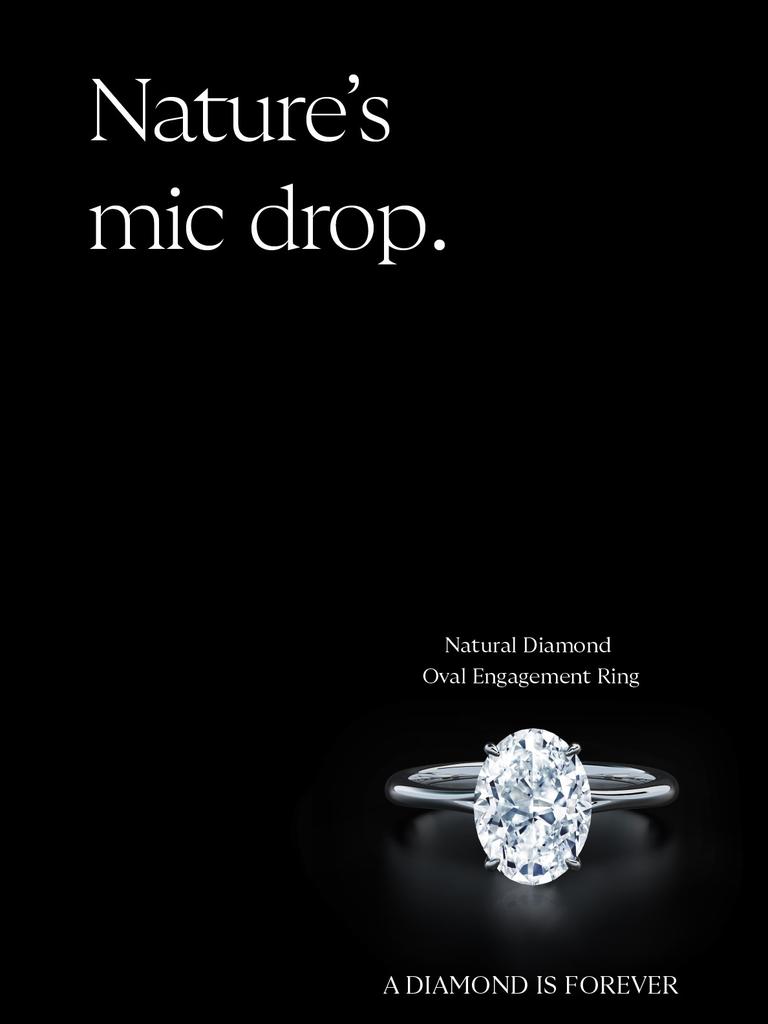
De Beers – "A Diamond Is Forever"
YEAR: 1948
FORMAT: Print Advertising Campaign (slogan-focused, ran in magazines/newspapers)
BRAND: De Beers (Diamond Trading Company)
AGENCY: N.W. Ayer & Son (Philadelphia)
TARGET: Couples (especially men) considering engagements or significant jewelry purchases; post-WWII American consumers
PLATFORM: Print – magazines, newspapers, and later other media, but primarily a long-running print slogan campaign
DESCRIPTION:
Not just an ad – a cultural institution that invented a tradition. In 1947, young copywriter Frances Gerety at N.W. Ayer penned the line "A Diamond Is Forever." By 1948, this slogan began appearing in De Beers' ads, and it would go on to become arguably the most famous advertising tagline of all time. De Beers' campaign had a monumental task: change public perception so that diamond rings = the only acceptable symbol of engagement. Early ads showed romantic imagery – happy couples, a diamond ring front and center – accompanied by copy about the enduring value of diamonds, always ending with "A Diamond Is Forever." This slogan implies that love (and the diamond symbolizing it) is eternal and not to be resold (convenient for De Beers to discourage a secondary market). The impact was astonishing: Demand for diamonds skyrocketed. In 1939, only 10% of engagement rings had diamonds; by the end of the 20th century, about 80% did. The price and size of diamonds used in rings consistently rose over decades, much credited to the emotional cachet built by this campaign. Advertising Age named "A Diamond Is Forever" the #1 slogan of the 20th century. The phrase entered everyday language (featured in movies, songs, etc.), and De Beers effectively monopolized romance. The campaign smartly tied the durability of a diamond to the durability of love, embedding the idea so successfully that even today, many assume the "diamond ring = marriage" tradition has ancient roots – when in fact it was largely manufactured by these 20th-century ads. It is a powerful example of advertising shaping culture, creating value for a product (a mineral) by linking it to an deeply emotional human experience. Indeed, diamonds aren't rare – but thanks to "A Diamond Is Forever," they are perceived as priceless tokens of everlasting love.